
While Kathmandu is the political capital, Gandaki Province is undisputed as the “Tourism Capital” of Nepal. Covering approximately 14.66% of Nepal’s total area, this region is a powerhouse of natural beauty and economic growth.
1. The Numbers Behind the Beauty (2025-2026 Data)
Gandaki isn’t just scenic; it is mathematically one of the most successful regions in Nepal:
- Economic Growth: Gandaki is projected to lead the country with a 5.51% economic growth rate in the 2024/25 fiscal year—higher than the national average of 4.61%.
- The Service Sector: A massive 55.58% of the province’s GDP comes from the service sector, which is driven primarily by tourism, hotels, and restaurants.
- Visitor Milestone: In 2025, the Annapurna Conservation Area (ACA) recorded over 273,000 foreign trekkers, the highest number in its history.
2. The Diversity of the Region
Gandaki is unique because it contains three distinct geographic zones in one province:
- The High Himalayas: Home to Annapurna I, Dhaulagiri, and Manaslu (all over 8,000 meters).
- The Mid-Hills: Featuring the cultural gems of Bandipur and the historical Gorkha Durbar.
- The Terai (Plains): The southern edge includes parts of the Chitwan National Park ecosystem in Nawalpur.
3. Adventure Capital: Pokhara
As the provincial capital, Pokhara remains the hub for global adventure.
- Paragliding: With over 19 certified paragliding companies, Pokhara is ranked among the top 5 spots globally for the sport.
- Hospitality Infrastructure: The province now boasts over 236,000 available hotel rooms, ensuring it can handle the increasing influx of international “slow travelers” who stay for an average of 15.5 days.
4. Cultural & Religious Significance
Beyond adventure, Gandaki is a pilgrimage powerhouse:
- Muktinath Temple: A sacred site at 3,800m that attracts over 100,000 Indian and domestic pilgrims annually.
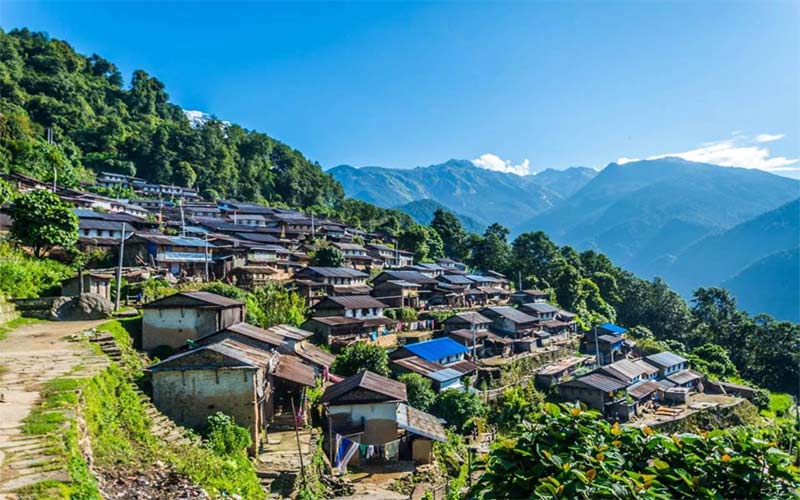
- Ethnic Richness: The region is the ancestral home of the Gurung, Magar, and Thakali people, offering world-class homestay experiences in villages like Ghandruk and Sirubari.
“In 2026, Gandaki is not just a place to visit; it is a model for sustainable tourism. From the AI-powered digital trekking initiatives to the 108 spouts of Muktinath, every corner of this province offers a blend of the future and the ancient.”